
72 Ferry Road, Southport QLD 4215
72 Ferry Road, Southport QLD 4215
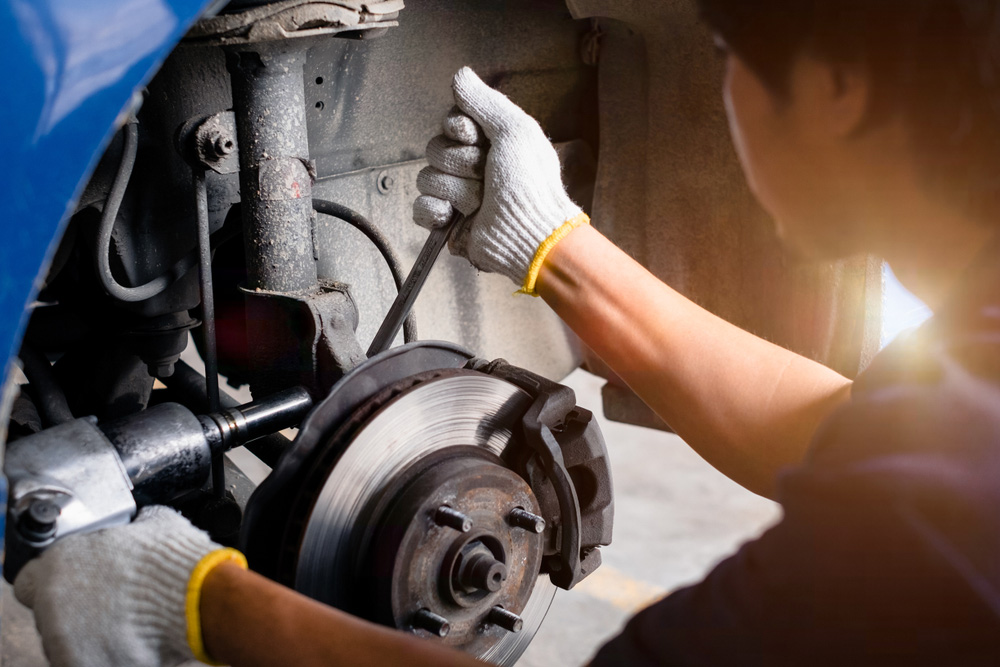
Every drive along the coast should feel calm and controlled. When your brakes start sending subtle hints that something’s off, it’s easy to brush them aside and keep rolling. That hesitation can cost more than peace of mind.
Brake repairs on the Gold Coast often begin with small warning signs that grow louder over time, especially in a coastal environment where salt air and humidity take their toll. Spotting these clues early helps keep your car safe, responsive and far less likely to surprise you at the lights.
Brakes rarely fail without speaking up first. Sound is often the earliest signal. A high-pitched squeal during gentle stops usually points to worn brake pads. Manufacturers add wear indicators that squeak as pads thin out, acting as an audible nudge to book a check.
Grinding is a different story. That harsh metal-on-metal noise means the pads have worn away, leaving rotors exposed. At that stage, each stop scrapes metal, and heat builds up fast. Rotor damage can follow, pushing repair costs higher than a simple pad replacement.
Coastal driving can speed up this wear. Salt carried in the air settles on exposed components. Add moisture from humid mornings, and corrosion creeps in. Rusty rotors and glazed pads can amplify noise, even during light braking. If your car starts to sound different during stops, it’s time to listen.
Vibration through the steering wheel or brake pedal tells another story. You might feel a pulsing sensation as you slow down, especially from higher speeds. This often links to warped brake rotors, which no longer provide a smooth surface for pads to grip.
Stop-start driving around busy shopping strips and school zones builds heat. Over time, repeated heat cycles can distort rotors. Coastal humidity adds another layer by encouraging uneven corrosion on rotor surfaces, which worsens vibration.
Vibration doesn’t stay contained to the brakes. Left unchecked, it can affect suspension and steering components, turning a brake issue into a broader handling problem. Smooth braking should feel steady and predictable. Any shake deserves attention.
Your brake pedal should feel firm and responsive. When it starts to feel soft or spongy, pressure inside the braking system may not build as it should. Air in the brake lines, worn seals or fluid contamination can all cause that sinking sensation.
Brake fluid absorbs moisture over time. In humid coastal conditions, this process speeds up. Water in the brake fluid lowers its boiling point, which can lead to fade during longer drives or heavy braking. You might notice the pedal travels further before the car slows or feels inconsistent between stops.
A changing pedal feel isn’t a quirk to ignore. It’s a sign that hydraulic pressure isn’t behaving as designed, and that can reduce stopping power when you need it most.
You know how your car usually responds at the same intersections and roundabouts. When stopping distances stretch without warning, your brakes are asking for help. Worn pads, glazed rotors or compromised fluid all contribute to slower response times.
On the Gold Coast, frequent short trips and traffic congestion mean brakes rarely cool fully between uses. Heat builds, friction materials degrade and stopping distances creep up. You may find yourself pressing harder on the pedal or braking earlier than usual to achieve the same result.
These changes often sneak in gradually. Paying attention to how your car behaves in everyday driving helps catch issues before they escalate.
Modern vehicles keep an eye on braking systems through sensors and warning lights. When a brake warning light appears on the dashboard, it’s never decorative. It could indicate low brake fluid, worn pads or an issue with the electronic braking system.
Ignoring these lights can mask underlying problems. A sensor warning often triggers before performance drops noticeably, offering a valuable window for early diagnosis. Treat dashboard alerts as a prompt to act rather than a suggestion.
Living near the coast brings perks, but it also brings challenges for your vehicle. Salt air accelerates corrosion on metal components. Humidity encourages moisture absorption in brake fluid. Frequent stop-start driving adds heat and wear.
Together, these factors mean that brakes on coastal vehicles often age faster than those on inland ones. Regular inspections become more than a maintenance habit; they become a way to stay ahead of environmental wear.
Early diagnosis keeps repairs straightforward. Replacing pads before they wear through protects rotors. Flushing out your brake fluid before moisture levels rise preserves hydraulic performance. Addressing brake noise and vibration early prevents damage from spreading.
Beyond cost, early action protects safety. Brakes play a direct role in avoiding collisions and maintaining control in sudden situations. Confidence behind the wheel grows when you know your car will respond as expected.
A proper brake inspection looks beyond the surface symptoms. A technician checks your car’s pad thickness, rotor condition, caliper operation and fluid quality. They also assess how evenly components wear, which can reveal alignment or suspension influences.
During a brake service on the Gold Coast, a technician factors in local driving conditions. Coastal exposure, traffic patterns and how you use your vehicle all shape their recommendation. This approach keeps advice practical and relevant to daily driving.
Staying proactive with brake care doesn’t require mechanical knowledge but it does start with awareness and regular checks. Some helpful habits include:
These simple steps keep small issues from growing legs.
Brakes rarely fail without warning. They squeal, vibrate, soften and signal through lights long before performance drops sharply. Coastal conditions can speed up wear, making awareness even more valuable. That’s why it’s essential to get your brake repairs on the Gold Coast. Acting early protects safety, preserves driving comfort and keeps repair costs under control.
At GC Suspension Steering & Brakes, we help drivers stay ahead of brake issues across the Gold Coast and surrounding areas. If your car has started showing any of these signs, booking a brake service on the Gold Coast with a local mechanic who understands coastal wear can make all the difference. Get in touch to arrange a brake inspection before small warnings turn into bigger worries.