
72 Ferry Road, Southport QLD 4215
72 Ferry Road, Southport QLD 4215
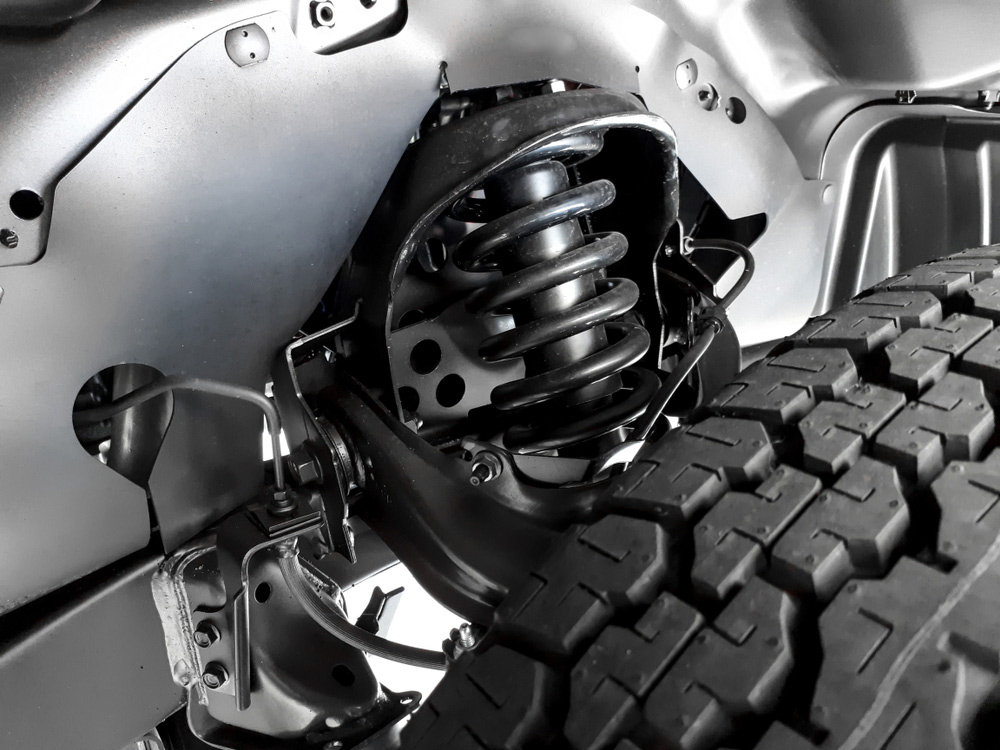
Heading away on a camping trip or towing the van up the coast often feels straightforward until the vehicle is loaded, the road changes and the handling feels nothing like it does around town. A 4WD that feels fine during daily driving can behave very differently once it is carrying extra weight or tackling rougher terrain. Suspension wear often builds gradually, making it easy to overlook until performance starts affecting safety, comfort and control.
Before your next trip, it is worth paying attention to how your vehicle sits, steers and responds on the road. Subtle changes in ride height, stability and noise can all point to underlying suspension issues that may require attention, servicing or a full 4WD suspension upgrade.
If your 4WD appears lower than usual at the rear or one side sits unevenly, it is often a clear sign that the suspension components are no longer supporting the vehicle properly. This can happen gradually as springs lose tension or shocks wear out.
When the ride height drops, it affects clearance and load distribution, which becomes especially noticeable when towing or carrying camping gear.
Common causes include:
A suspension inspection can determine whether a repair or a full upgrade is needed to restore proper height and stability.
Tyres often reveal suspension problems before anything else. If one edge of a tyre is wearing faster than the other or if wear appears patchy, it may indicate alignment issues caused by worn suspension components.
A compromised suspension system can shift wheel angles slightly out of specification, placing uneven pressure on the tyres.
Signs to watch for include:
A workshop specialising in 4WD suspension on the Gold Coast can assess alignment and identify whether suspension bushings or joints need replacement.
If your 4WD leans heavily when turning or feels unstable through bends, the suspension may no longer be controlling weight transfer effectively. This is often more noticeable when the vehicle is loaded for travel.
Body roll increases the risk of reduced traction and delayed steering response, particularly on winding coastal roads or gravel tracks.
Typical contributing factors include:
Upgrading components can improve stability and keep the vehicle more composed under cornering forces.
Many 4WD owners only notice suspension limitations when the vehicle is packed for a trip. If the rear of the vehicle drops significantly when towing or carrying gear, the suspension may no longer be suited to the load demands.
This affects steering balance and braking performance, especially on longer highway drives.
Indicators include:
A tailored 4WD suspension upgrade can help distribute weight more effectively and restore safe operating height.
Towing instability is one of the most important warning signs to take seriously. If your caravan, trailer or boat begins to sway or feel unpredictable at speed, the suspension may not be controlling movement effectively.
This is particularly relevant for long-distance travel where crosswinds and road conditions vary.
Watch for:
Suspension servicing, including shock absorber replacement and load-rated upgrades, can significantly improve towing confidence and control.
A properly functioning suspension system absorbs road impacts smoothly. If every bump feels exaggerated or the vehicle continues bouncing after hitting uneven ground, the shock absorbers may be worn or leaking.
This becomes especially noticeable on corrugated roads or gravel tracks commonly encountered on off-road trips.
Common symptoms include:
Replacing worn shocks and reviewing spring condition can restore proper damping and improve overall ride quality.
Unusual noises from underneath the vehicle should never be ignored. Knocking, clunking or creaking sounds often indicate worn suspension joints, bushings or mounts that are no longer holding components securely.
These noises tend to become more noticeable when driving over uneven surfaces or turning at low speed.
Possible causes include:
A full suspension inspection can pinpoint the source and determine whether individual parts or a broader system upgrade is required.
If your 4WD feels like it is drifting within the lane or requires constant correction on straight roads, the suspension and steering systems may no longer be working together effectively.
This issue can make long drives tiring and reduces confidence, particularly at highway speeds or when towing.
Key signs include:
Addressing worn steering components and upgrading suspension geometry can help restore directional stability and improve overall control.
If you are planning your next trip and have noticed any of these signs, now is the right time to have your suspension checked before heading out. We at GC Suspension, Steering & Brakes work with 4WD owners across the Gold Coast to assess wear, diagnose handling issues and carry out tailored suspension upgrades suited to towing, touring and off-road driving.
Whether you are preparing for a weekend getaway or a long-haul journey, getting your suspension right can make all the difference to how your vehicle performs on the road and beyond.