
72 Ferry Road, Southport QLD 4215
72 Ferry Road, Southport QLD 4215

When towing becomes part of everyday life, choosing the right setup matters more than many drivers expect. From weekend boat launches to long caravan trips or work trailers that never seem to get lighter, a tow bar needs to suit both the vehicle and the job. Searches for tow bar Gold Coast and tow bar near me often start with one simple question: what types are actually available and how do they differ? Understanding the options helps avoid costly mistakes, improves safety and ensures your vehicle remains compliant over the long term. Below is a clear breakdown of the most common tow bar types, how they work and where each one fits best.
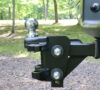
Fixed tow bars are the most common option fitted to passenger vehicles, utes and SUVs. They are permanently mounted to the chassis and always ready for use, making them a practical choice for drivers who tow regularly.
This type of tow bar suits general-purpose towing where convenience matters more than appearance. Because the bar stays in place, there is no need for tools or storage when hitching up.
A fixed tow bar is often selected for:
The main consideration is clearance and visibility when the bar is not in use. Fixed tow bars are engineered to meet Australian standards and rated to specific towing capacities, which must match both the vehicle and the load.
Removable tow bars are designed for drivers who only tow occasionally and prefer a cleaner look when the bar is not needed. The hitch section can be detached and stored, leaving minimal visual impact on the rear of the vehicle.
This style works well for family cars and SUVs where parking sensors, aesthetics or rear clearance are priorities. When properly fitted, a removable tow bar offers the same rated capacity as a fixed option.
Removable tow bars are commonly chosen by:
It is important that the locking mechanism is secure and maintained. Professional installation ensures the removable system remains safe, compliant and easy to use over time.
Heavy-duty tow bars are engineered for higher towing capacities and demanding conditions. They are typically fitted to utes and 4WDs that tow larger trailers, boats or equipment on a regular basis.
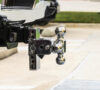
These tow bars are constructed with thicker steel and reinforced mounting points to handle increased stress. They often support higher ball weights and are designed to work with accessories like adjustable hitches.
Heavy-duty tow bars are suited to:
Matching the tow bar rating to the vehicle’s legal towing limits is critical. Overbuilding is not a problem, but exceeding vehicle limits can affect braking, handling and compliance.
Weight distribution compatible tow bars are designed to work with weight distribution hitches, which help balance heavy loads across the vehicle and trailer axles. This improves stability, steering control and braking performance.
These systems are particularly relevant for larger caravans and enclosed trailers with high ball weights. Not all vehicles or tow bars are approved for weight distribution use, making compatibility checks essential.
They are typically recommended for:
Proper setup is just as important as the tow bar itself. Incorrect use can stress the chassis or suspension, which is why professional advice and installation matter.
Many modern vehicles require tow bars designed specifically for their make and model. Vehicle-specific tow bars integrate with factory mounting points, electronics and safety systems. This approach helps maintain features like reversing sensors, stability control and camera functions. Generic solutions may interfere with these systems if not properly engineered.
Vehicle-specific tow bars are ideal for:
Wiring compatibility is just as important as the bar itself. Correct integration ensures trailer lights and safety features operate without triggering fault codes.
Selecting a tow bar is not just about the trailer you own today. It also involves considering future needs, vehicle upgrades and how often towing will occur.
A clear assessment includes:
The right tow bar supports safe handling, protects the vehicle structure and reduces wear on suspension and tyres. Expert guidance helps narrow options and avoid under- or over-specifying the setup.
All tow bars fitted to road vehicles must comply with Australian Design Rules and relevant standards. This ensures strength, durability and compatibility with vehicle structures.
Compliance is not just about legality. It directly affects safety during braking, cornering and emergency manoeuvres. Incorrectly rated or poorly fitted tow bars increase the risk of failure.
Key compliance factors include:
Professional installation provides confidence that every component meets regulatory and safety requirements.
While some drivers consider DIY installation, modern vehicles make professional fitting the safer option. Chassis access, torque specifications and electronic integration all require specialised knowledge.
Professional installers ensure the tow bar functions as a complete system rather than a bolt-on accessory. This reduces long-term issues and protects vehicle warranties.
Professional installation typically includes:
This approach delivers peace of mind every time a trailer is connected.
We at GC Suspension, Steering & Brakes help vehicle owners choose and install the right towing solution for their needs and conditions on the Gold Coast. If you are comparing options or ready to move forward, contact our team to discuss a compliant, safe and reliable tow bar setup that suits your vehicle and towing plans.