
72 Ferry Road, Southport QLD 4215
72 Ferry Road, Southport QLD 4215
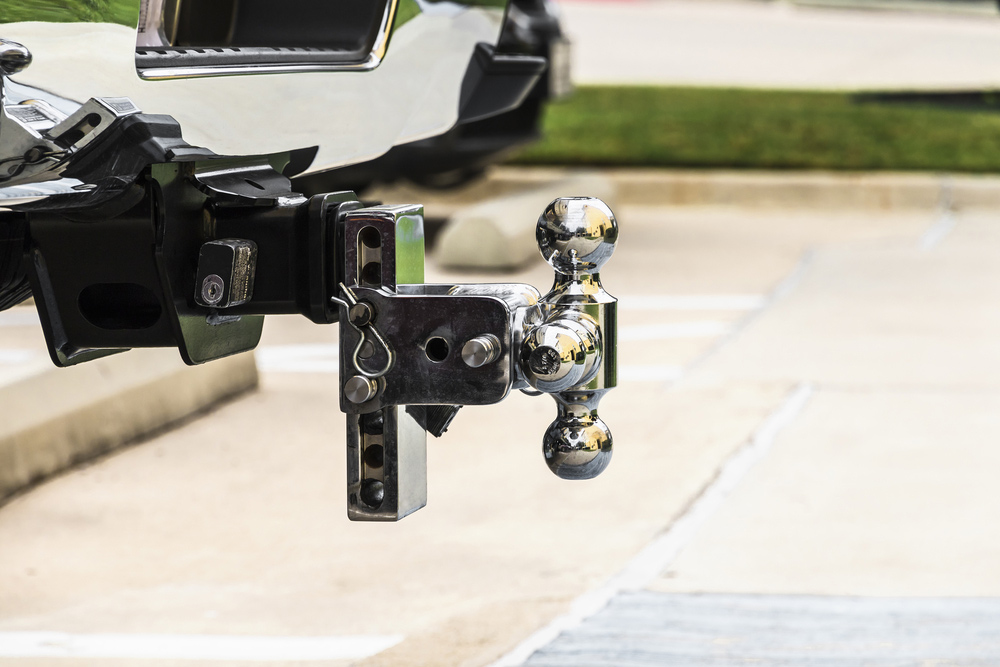
A tow bar might look like a simple addition to a vehicle, but its role is far more significant than many drivers realise. Whether it is for towing a trailer, a boat, a caravan or work equipment, the connection point between vehicle and load carries serious responsibility every time it is used. When it is installed correctly, it becomes a reliable extension of the vehicle’s capability. When it is not, it can introduce mechanical strain, electrical faults and even legal or insurance complications that are easily overlooked until something goes wrong.
For many drivers searching for a tow bar near me, the focus is often on convenience or cost. However, the quality of installation and the understanding behind it are what ultimately determine safety on the road. From structural fitment to wiring integration and compliance with Australian standards, professional installation plays a much larger role than most people expect.
Tow bar installation is not a one-size-fits-all process. Each vehicle has specific design limits, mounting points and towing capacities that must be respected to ensure safe operation. A proper installation begins with assessing whether the tow bar system is compatible with the vehicle’s make, model and intended use.
A mechanic will typically review:
When these factors are ignored or guessed rather than measured, the result can be excessive strain on the rear of the vehicle. This may not be immediately visible, but over time it can contribute to alignment issues, suspension wear and reduced braking efficiency.
Professional installation ensures that the tow bar is matched correctly to the vehicle’s engineering limits rather than simply fitted as a generic accessory.
One of the most critical aspects of tow bar installation is how it connects to the vehicle’s chassis. The tow bar is not just bolted onto the exterior; it must be anchored securely to structural points designed to handle towing forces.
A qualified mechanic considers how load forces transfer through the vehicle under acceleration, braking and cornering. If this is not done correctly, stress can be concentrated in areas not designed to bear it.
Key considerations include:
Incorrect installation can lead to chassis stress fractures or long-term deformation, particularly when towing heavier loads. This is why mechanical expertise is essential rather than treating installation as a basic bolt-on task.
In many cases, additional mechanical services such as suspension checks or brake inspections are recommended to ensure the vehicle can safely handle the added towing demands.
Modern vehicles rely heavily on integrated electrical systems, and tow bars are no exception. Trailer lights, indicators and braking systems must all communicate correctly with the vehicle’s onboard electronics. Incorrect wiring is one of the most common issues in poor-quality installations.
A professional installation typically includes:
Faulty wiring can cause a range of issues, from blown fuses to malfunctioning safety systems. In some cases, it may even interfere with the vehicle’s braking or stability control systems, creating unnecessary risk while towing.
Proper electrical installation ensures that the tow bar operates as an extension of the vehicle’s existing safety systems rather than an isolated add-on.
In Australia, tow bar installation is governed by strict regulations designed to ensure road safety. These requirements are not optional and must be followed for the vehicle to remain compliant.
Compliance typically relates to:
Failing to meet these standards can lead to compliance issues during roadworthy inspections or roadside checks. More importantly, non-compliant installations may place drivers at legal risk if an incident occurs while towing.
Professional installation ensures that all components meet the required standards and are fitted in a way that aligns with manufacturer and regulatory expectations.
Insurance coverage is another area that is often overlooked when a tow bar is installed incorrectly or without certification. If an accident occurs and the tow bar is found to be improperly fitted, it can create complications during the claims process.
Potential issues include:
Insurance providers expect that modifications such as tow bars are installed correctly and in line with manufacturer specifications. A professional installation provides documentation and assurance that the work has been carried out properly, reducing the risk of disputes later.
For drivers who rely on towing for work or travel, this compliance aspect is just as important as the physical installation itself.
Every tow bar and vehicle combination has a defined load rating that must never be exceeded. This includes both braked and unbraked towing limits, as well as downward force limits on the tow ball. A mechanic ensures that these limits are clearly understood and adhered to before the vehicle is used for towing.
Important load considerations include:
Exceeding load limits can place extreme stress on suspension systems, braking components and tyres. It can also reduce vehicle stability, particularly during emergency manoeuvres or long-distance travel.
Professional installation is often paired with mechanical checks to ensure systems such as suspension, steering and brakes are in suitable condition for towing demands.
Improper tow bar installation can lead to a range of mechanical and safety issues that are not always immediately obvious. Some problems develop gradually over time, while others may present as sudden failures.
Common issues include:
These problems can affect not only towing performance but also general vehicle safety. For example, incorrect weight distribution can alter steering response, while electrical faults may reduce visibility for other road users.
Addressing these risks at the installation stage is far more effective than attempting to fix issues after they arise.
Tow bar installation sits at the intersection of mechanical engineering, electrical systems and road safety compliance. It requires an understanding of how all these systems interact under load, particularly when a vehicle is operating at its towing capacity.
A qualified mechanic brings together several areas of expertise:
This holistic approach ensures that the tow bar is not only installed correctly but also functions safely within the broader vehicle system. It also provides reassurance that the installation supports long-term reliability rather than introducing hidden stress points.
We at GC Suspension, Steering & Brakes understand how important safe and compliant towing is for everyday driving and heavy-duty use. Whether you are fitting a new tow bar or checking an existing setup, our team can help ensure your vehicle is properly prepared for the demands of towing on the Gold Coast.
If you have been searching for a tow bar solution or simply need advice from a qualified mechanic, get in touch with us today. We can assess your vehicle, carry out professional installation and make sure everything is aligned with Australian safety and insurance requirements so you can tow with confidence.