
72 Ferry Road, Southport QLD 4215
72 Ferry Road, Southport QLD 4215
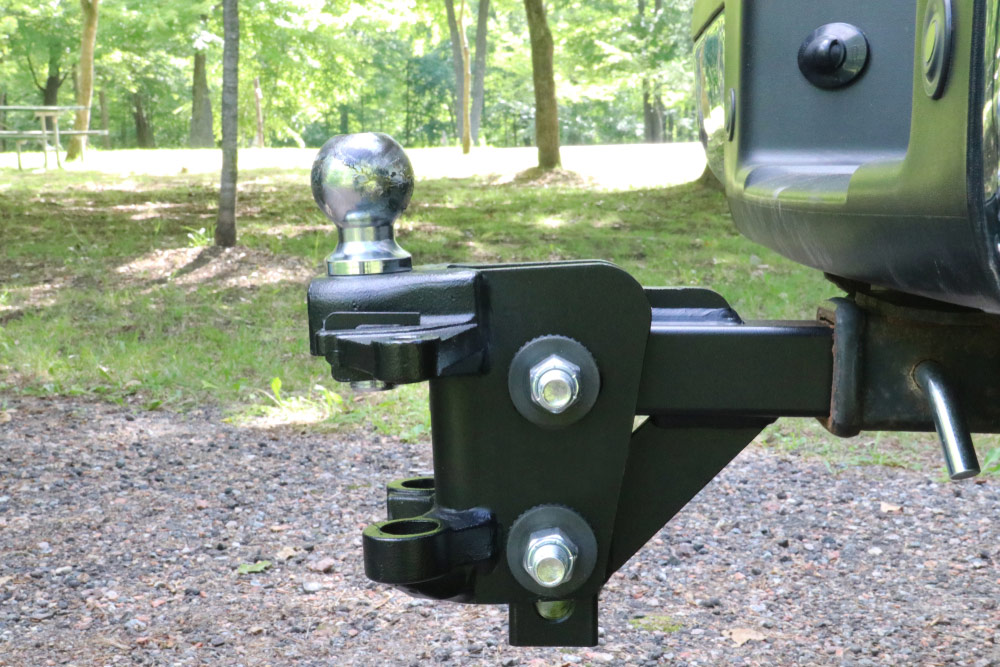
Towing sounds simple. Hook up a trailer, load your gear and hit the road. But if you’ve ever looked into vehicle specs, you’ve probably seen terms like towing capacity, GVM and ball weight and thought, what does all this actually mean? Getting it wrong isn’t just confusing. It can make your setup unsafe, damage your vehicle and even land you on the wrong side of the law.
Before installing a tow bar, it’s worth understanding what your vehicle can actually handle. Especially if you’re towing a caravan up the coast, a boat to the Broadwater or a work trailer around town.
Towing capacity is the maximum weight your vehicle can safely tow. It’s set by the manufacturer and includes the weight of the trailer plus everything loaded onto it.
There are usually two types:
Most larger trailers, caravans and boats fall under braked capacity, which is the higher limit. Here’s the key point. Just because a vehicle can tow a certain weight doesn’t mean it should always tow that much. Other limits come into play, and that’s where things get confusing.
GVM stands for Gross Vehicle Mass. This is the total weight your vehicle can carry, including passengers, fuel, accessories and the tow ball weight.
Think of it like your vehicle’s weight budget. If you load up the car with people, tools and gear, you’re already using part of that limit. Add a trailer, and you’re adding even more weight through the tow ball.
This is where many towing setups become unsafe. People focus on towing capacity but forget about how much weight the vehicle itself is carrying.
Ball weight is the downward force the trailer places on your tow bar. It’s usually around 8–12% of the trailer’s total weight. For example, a 2,000kg trailer could have a ball weight of around 160–240kg. That weight sits directly on your vehicle and counts toward your GVM.
If the ball weight is too high, it can:
A properly installed tow bar setup takes ball weight into account to ensure safe towing.
Towing capacity, GVM and ball weight all work together. You can’t look at them in isolation.
Here’s where people often get caught out:
A safe towing setup means all limits are respected at the same time. It’s not just about what your vehicle can pull. It’s about what it can carry and control safely.
With so many caravans, boats and trailers on the road, it’s easy to see where things go wrong.
Some of the most common mistakes include:
For example, loading up for a coastal road trip might seem fine until you add water tanks, gear and passengers. Suddenly, you’re over multiple limits without realising it.
Not all towing is the same. What you’re towing changes how your vehicle handles the load.
Caravans: Caravans are heavy and often loaded with gear. They place significant ball weight on the vehicle and require careful weight distribution.
Boats: Boat trailers can be lighter but still create uneven loads, especially when launching and retrieving.
Work Trailers: Tools, materials and equipment can quickly push a trailer over safe limits, particularly for tradies moving between jobs.
Each setup affects your vehicle differently. That’s why getting advice before installing a tow bar is important.
Not all tow bars are built for the same purpose. The right tow bar depends on your vehicle, towing needs and load requirements.
A professional installation ensures:
Searching for a “tow bar near me” might give you options, but choosing the right provider makes the difference between a safe setup and a risky one.
Towing setups are more complex than they appear. Even experienced drivers can miscalculate limits or overlook key details.
A professional can assess:
This ensures your setup is not only legal but also practical for real-world driving conditions.
Towing capacity isn’t just a number on a spec sheet. It’s part of a bigger system that includes GVM, ball weight and how your vehicle is actually used day to day. Understanding these factors helps you avoid common mistakes and ensures your towing setup is safe, stable and compliant. If you’re planning to tow a caravan, boat or trailer, getting the right setup from the start is essential.
For reliable tow bar installations, the team at GC Suspension provides expert advice and professional fitting. We’ll help you choose the right setup for your vehicle so you can tow with confidence, whether you’re heading up the coast or across town.